
Guide
EDP, EDT, parfum or cologne?
The name on the bottle roughly tells you how much perfume oil the fragrance contains. Here is how they differ, and what it means when you choose.
Share of perfume oil
The bars show common ranges in the industry. They overlap, and brands set the limits themselves.
Eau de Parfum
Fuller and usually more noticeable than the EDT of the same fragrance.
- Suits
- All day, evenings and colder weather.
- Good to know
- The most common type in our range.
Good to know
There are no statutory percentages for EDT, EDP or parfum. One brand's EDT can be stronger than another brand's EDP.
How long a scent lasts also depends on the notes. Heavy base notes such as vanilla, amber and woody notes tend to last longer than citrus, whatever the concentration.
The EDT and EDP of the same perfume sometimes have different notes. Read the fragrance pyramid for the version you choose.
Is EDP always more expensive?
Incci's current prices per ml for the same size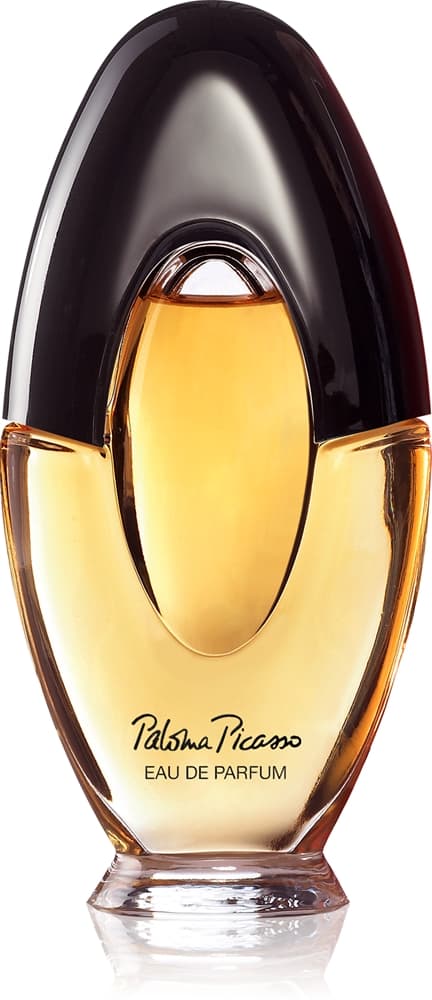 Paloma Picasso30 mlEDP cheaper
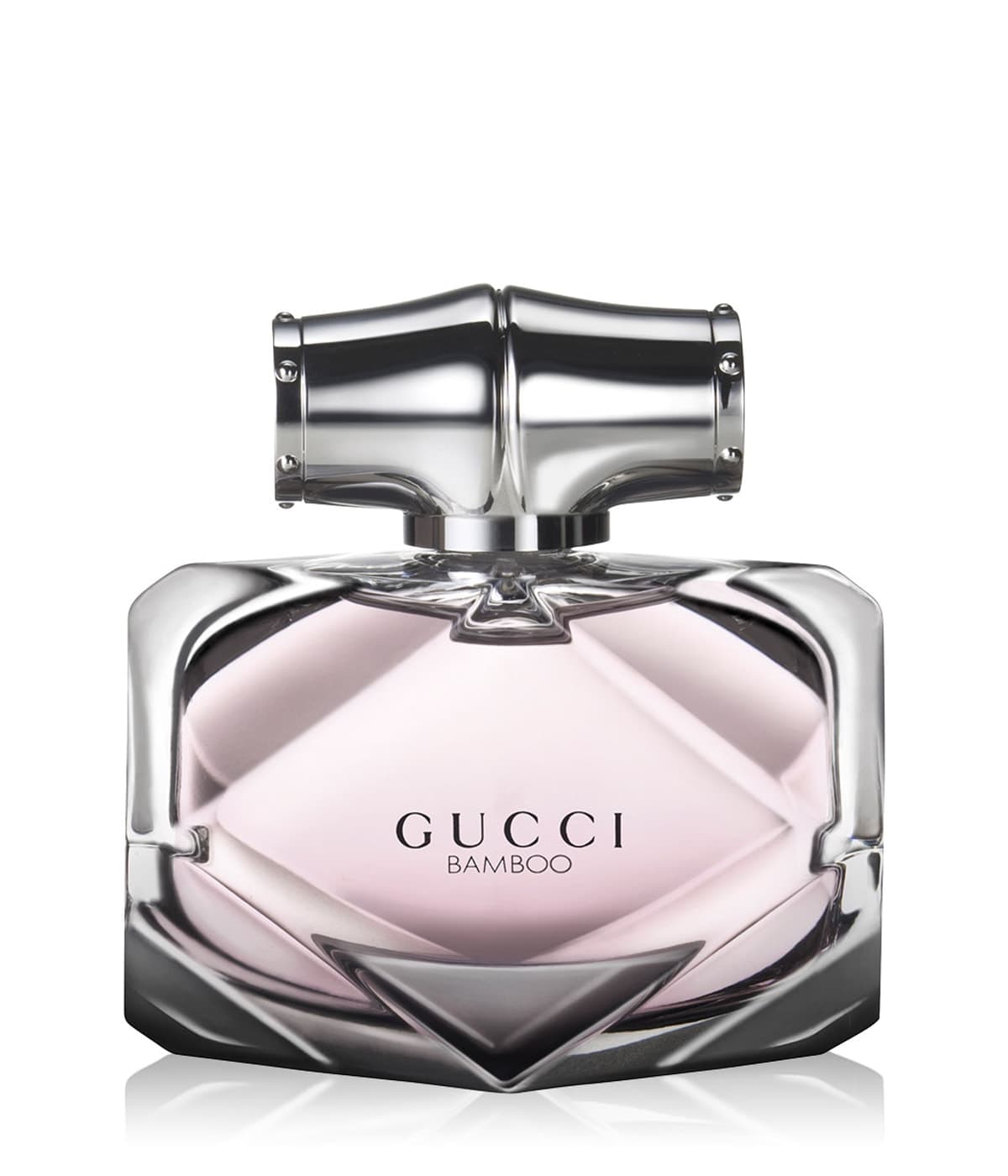 Gucci - Bamboo50 mlEDP cheaper
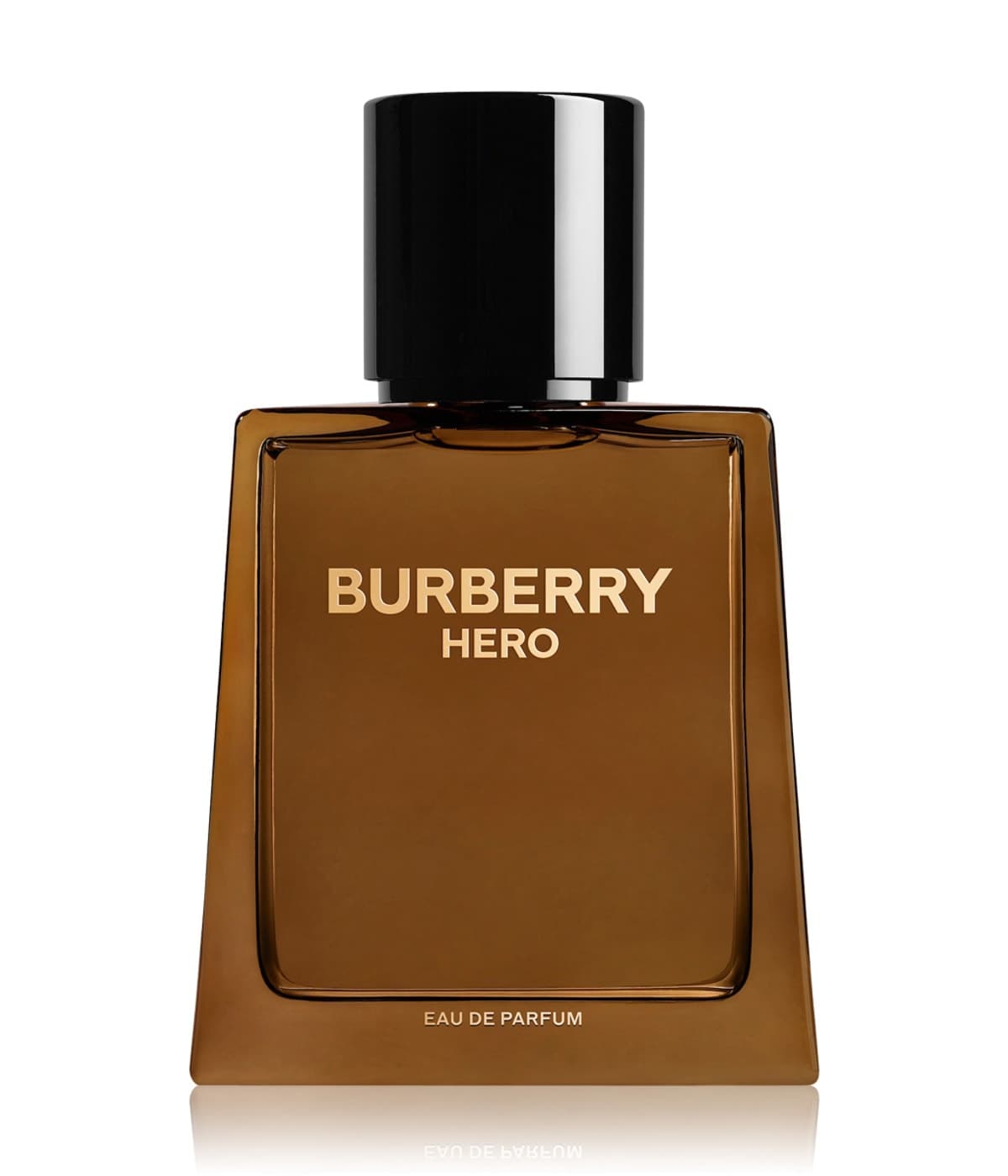 Burberry - Hero50 mlEDP cheaper
- Gucci - Bamboo75 mlEDP cheaper
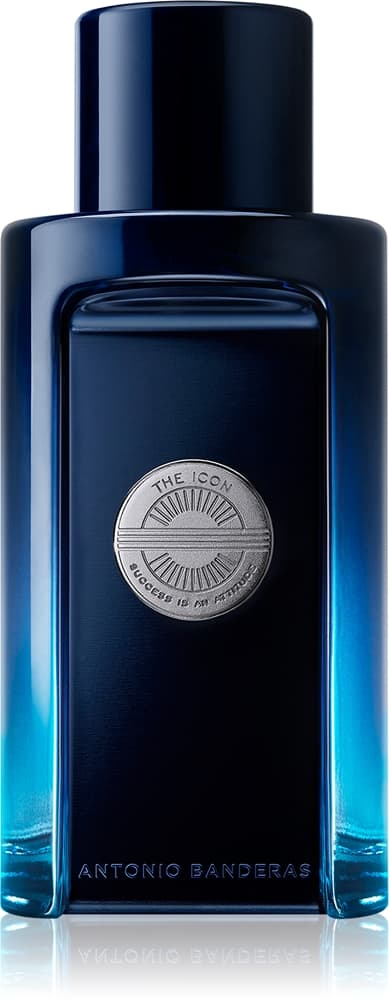 Antonio Banderas - The Icon100 ml
- Gucci - Bamboo30 ml
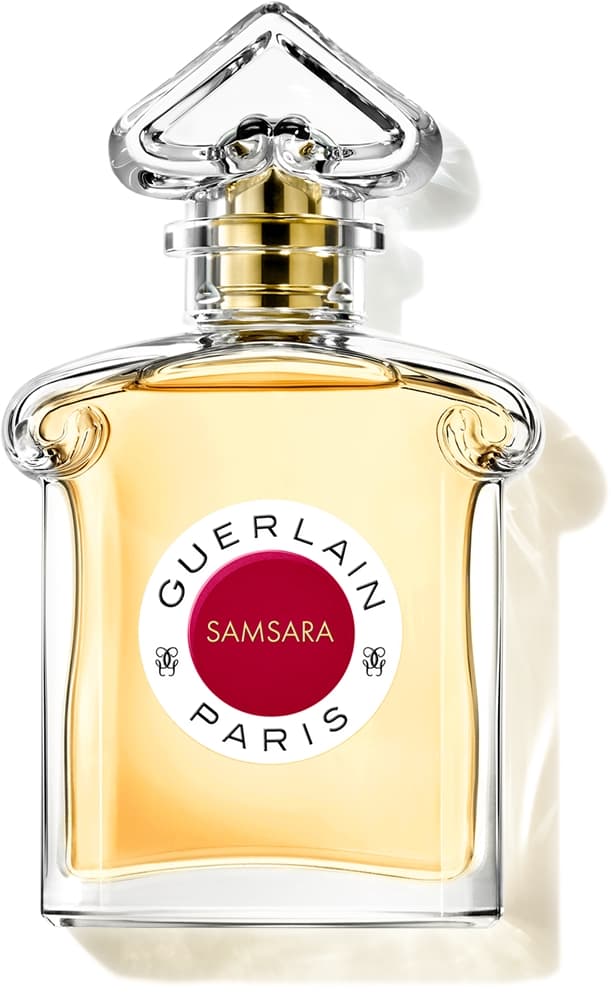 Guerlain - Samsara75 ml
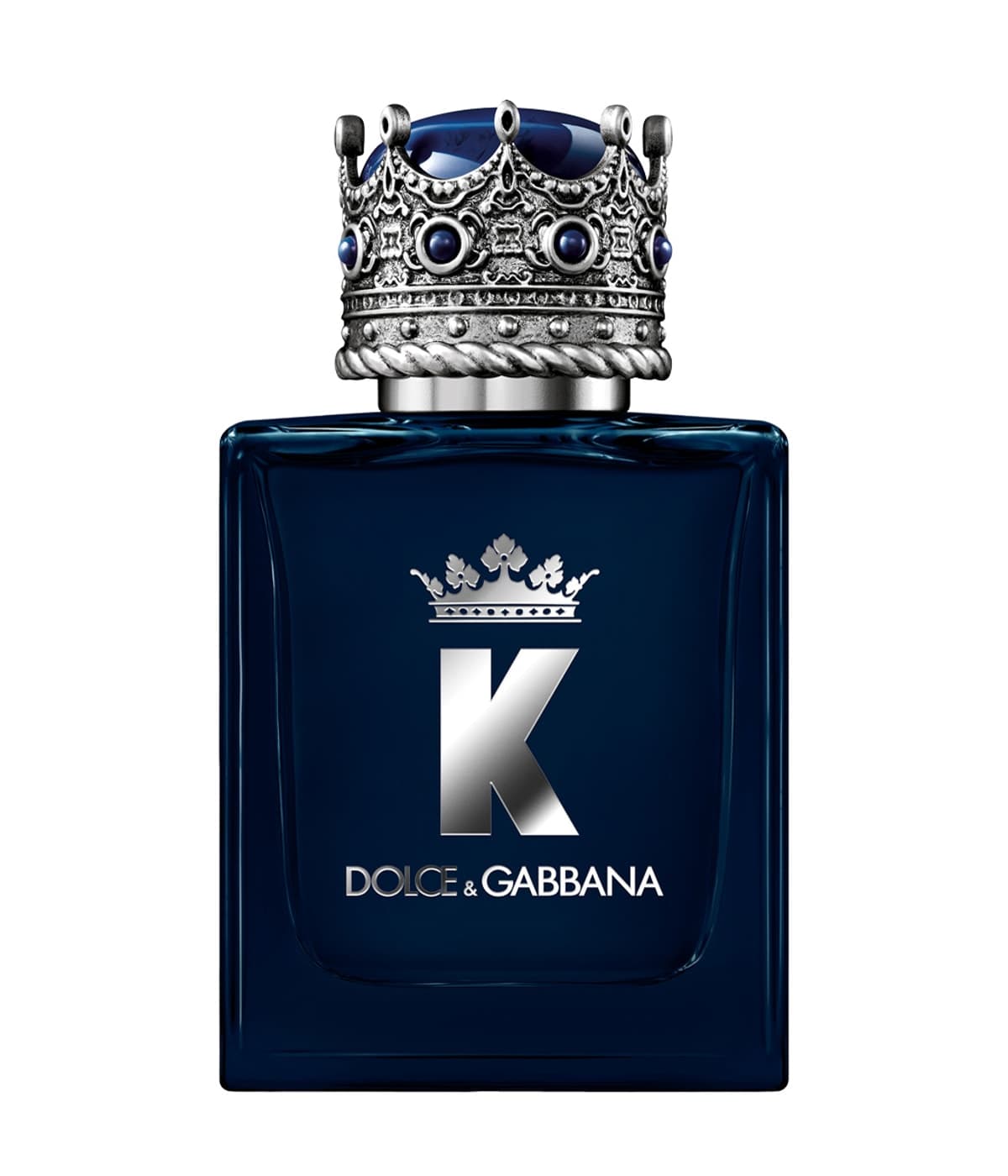 Dolce & Gabbana - K by Dolce & Gabbana50 ml
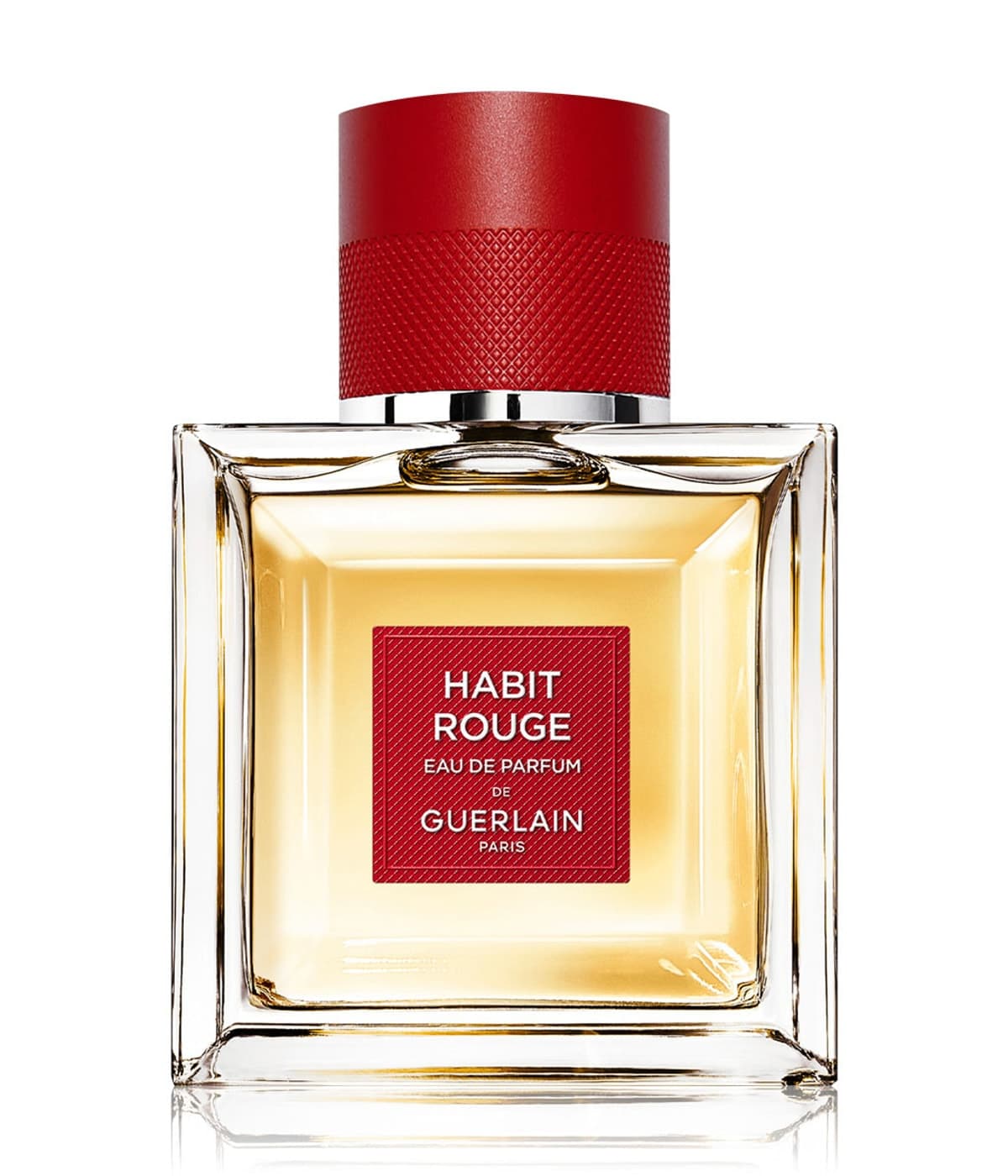 Guerlain - Habit Rouge100 ml
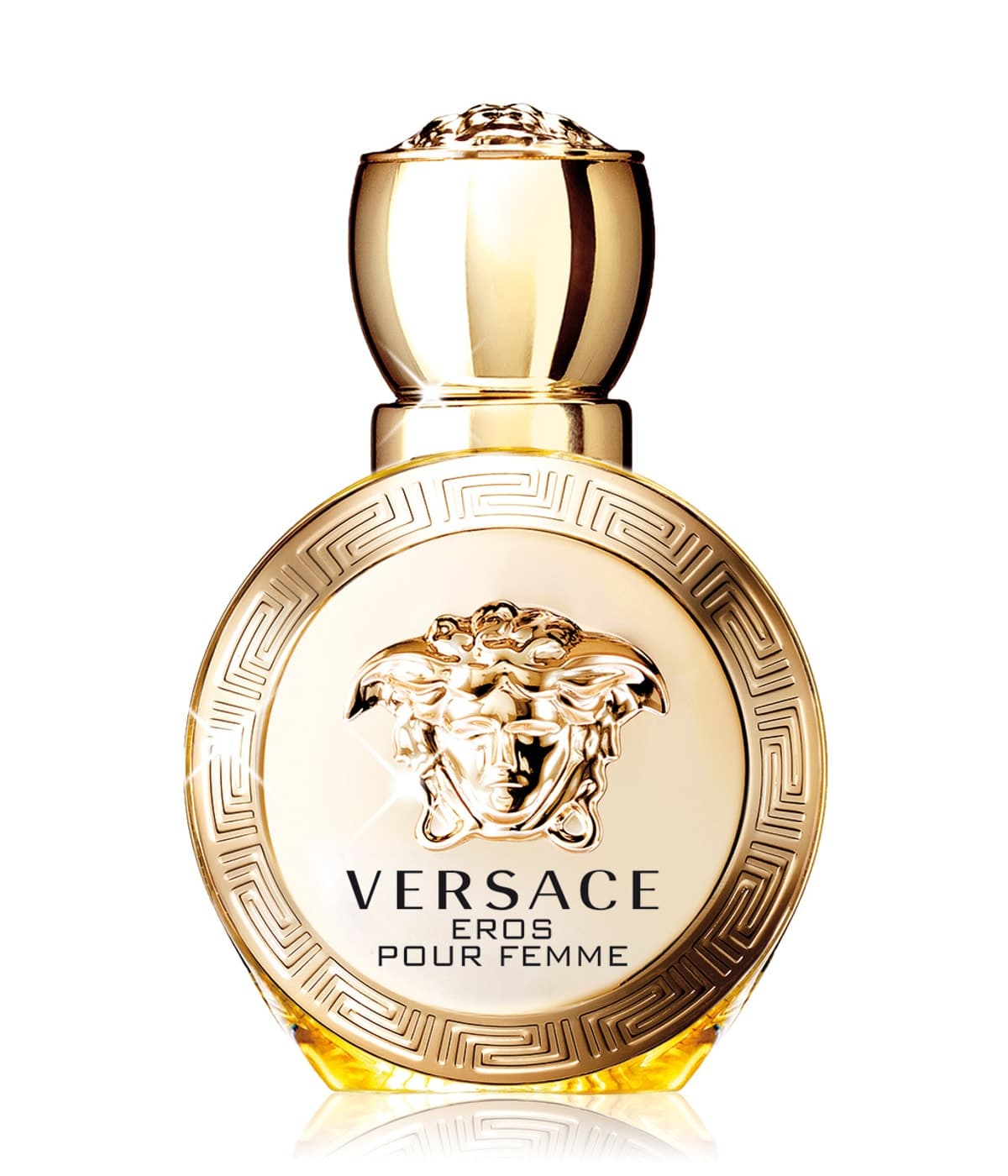 Versace - Eros Pour Femme30 ml
- Versace - Eros Pour Femme50 ml
- Dolce & Gabbana - K by Dolce & Gabbana100 ml
- Burberry - Hero100 ml
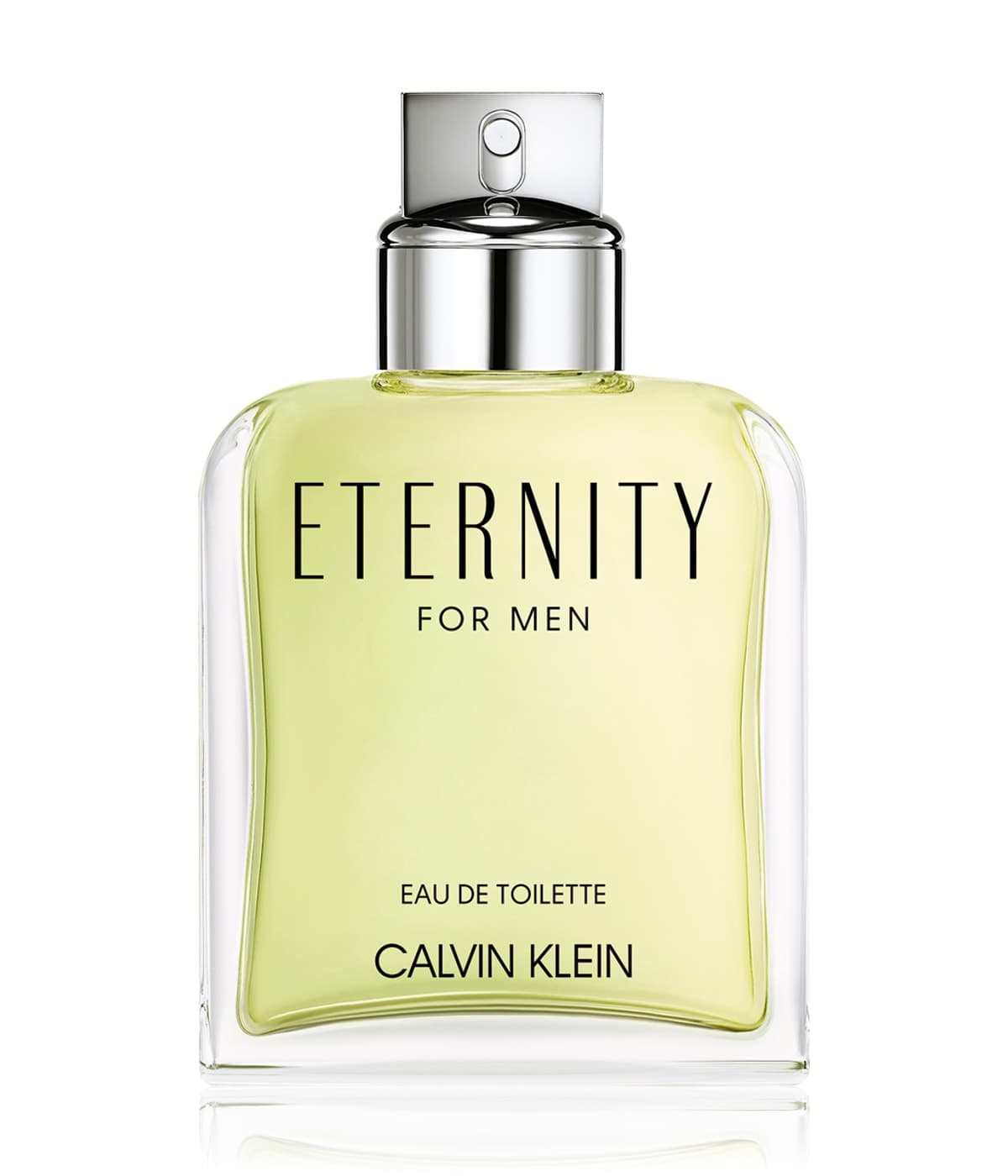 Calvin Klein - Eternity For Men50 ml
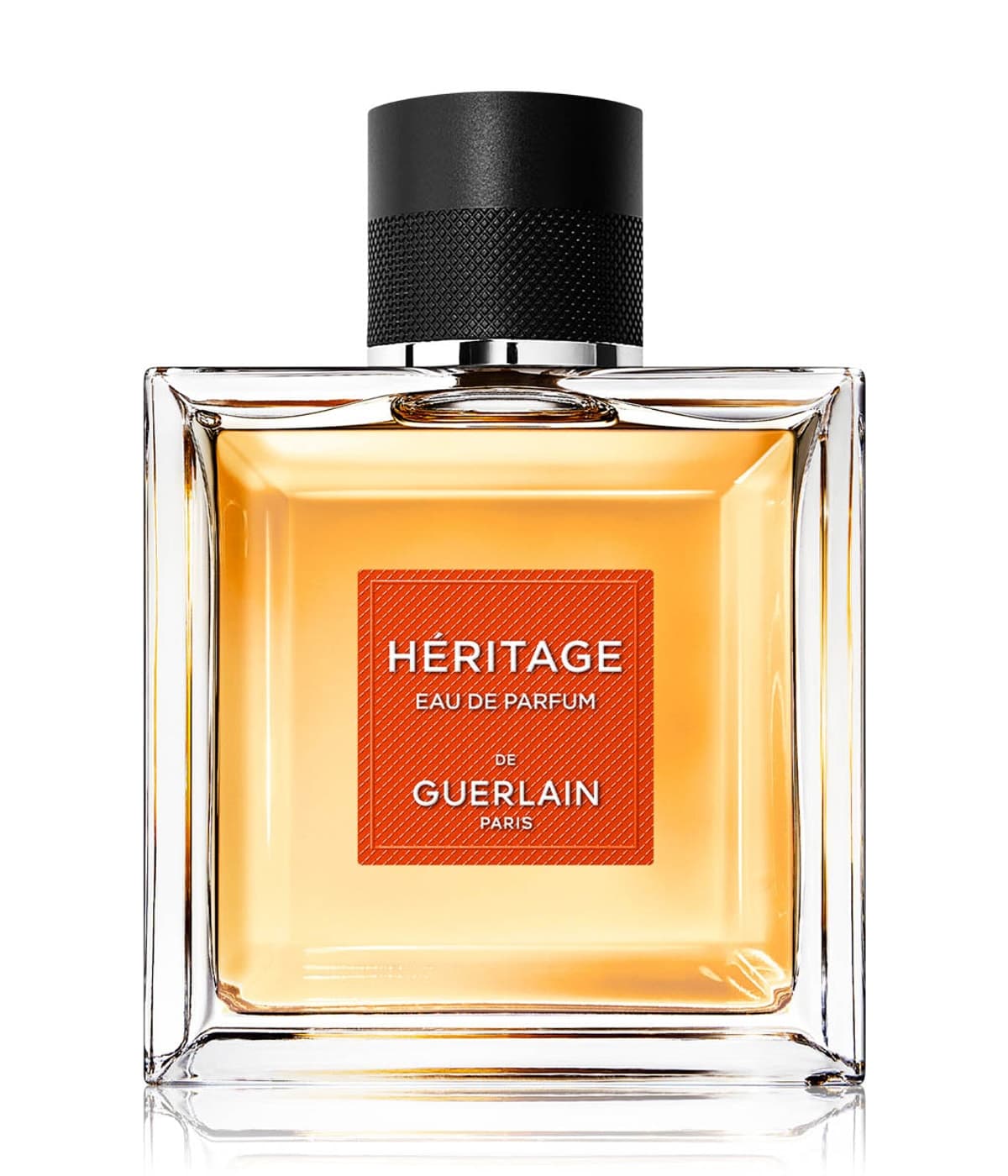 Guerlain - Heritage100 ml
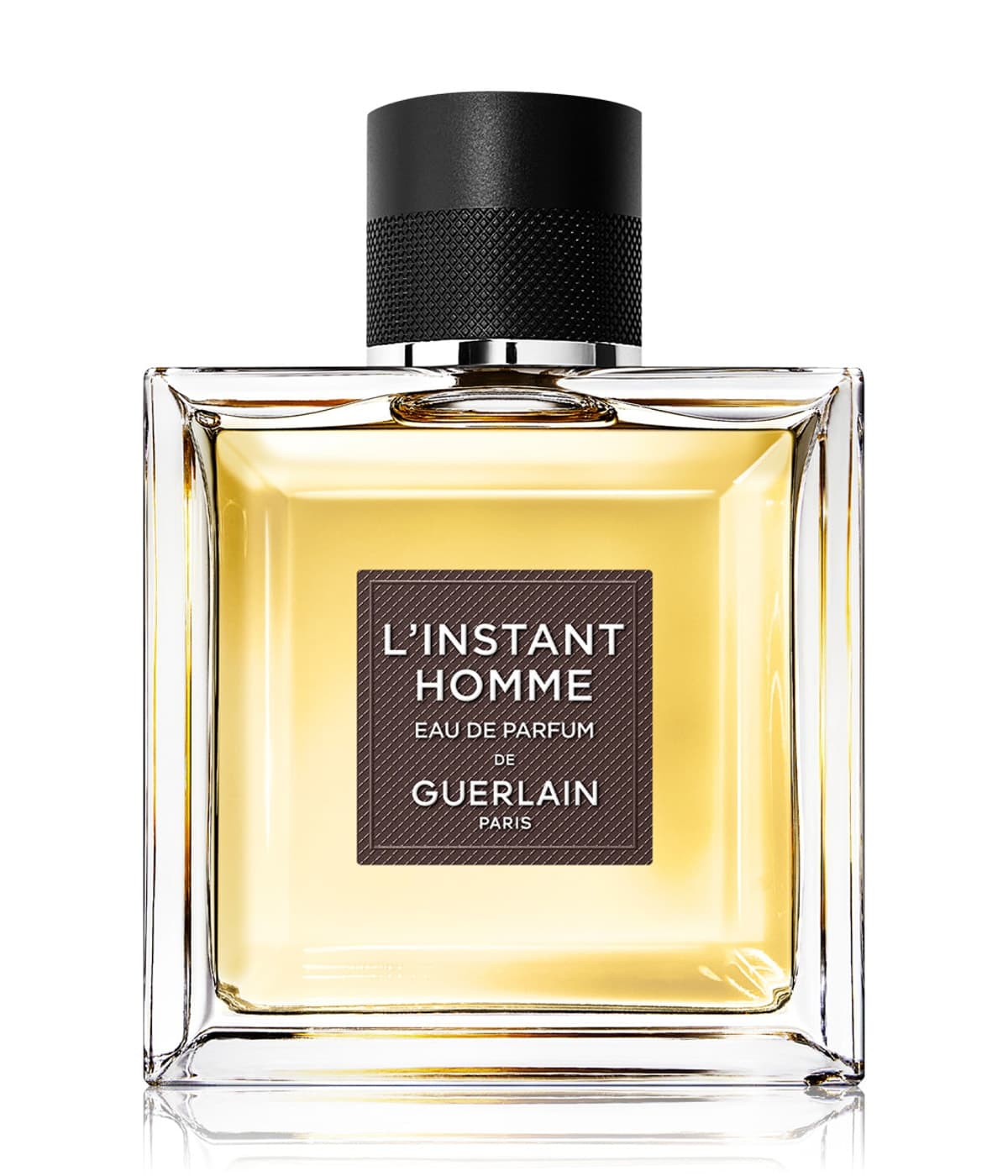 Guerlain - L'Instant de Guerlain pour Homme100 ml
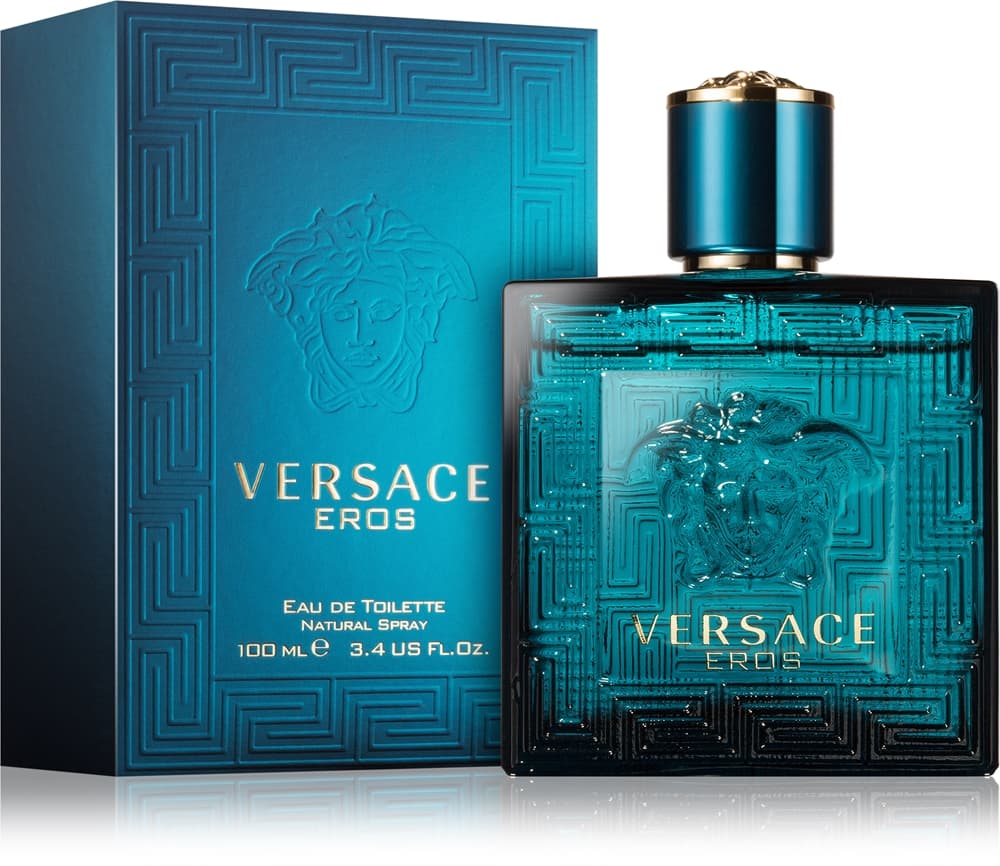 Versace - Eros100 ml
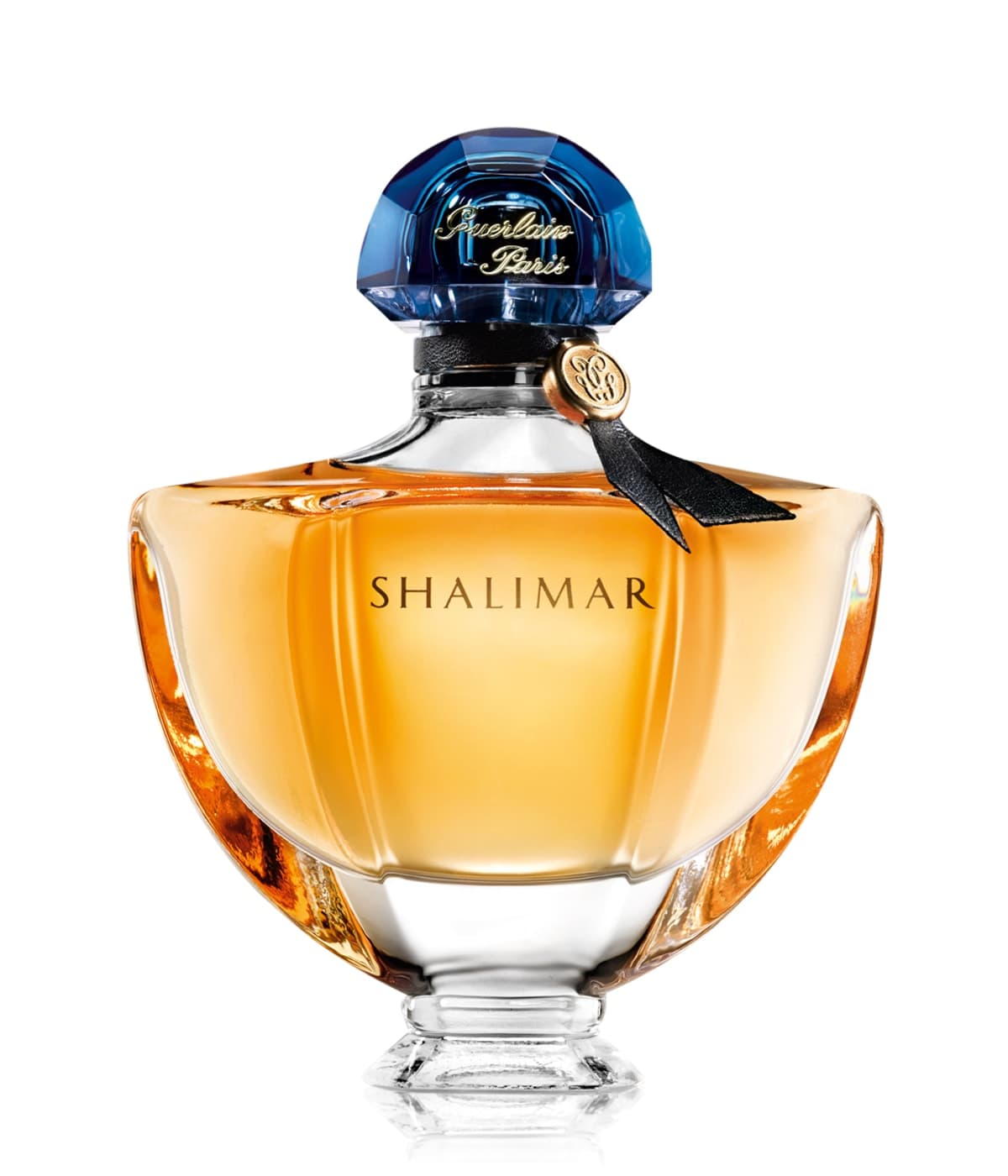 Guerlain - Shalimar90 ml
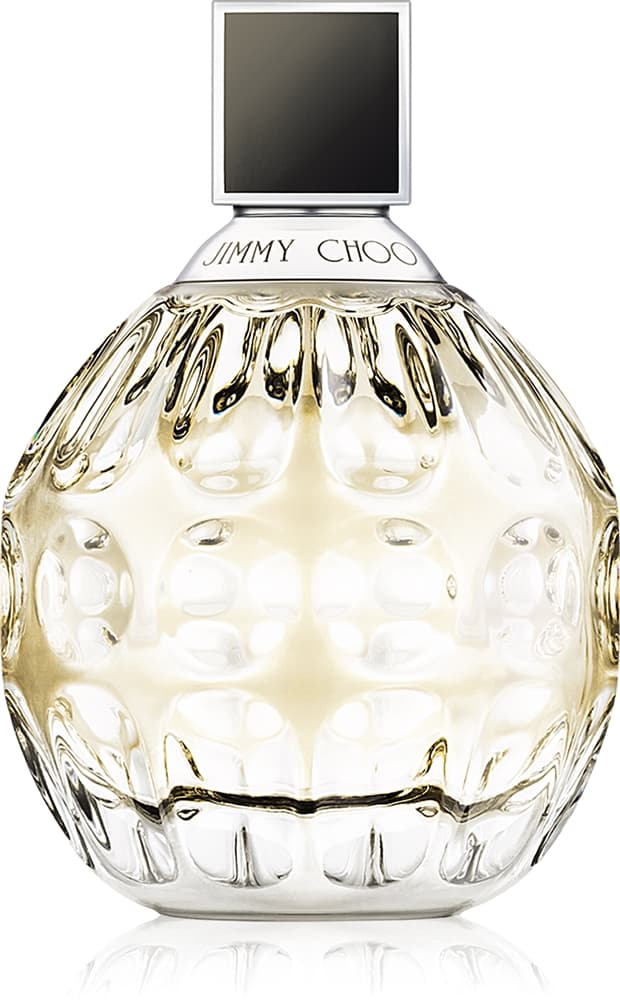 Jimmy Choo - for Women60 ml
- Paloma Picasso100 ml
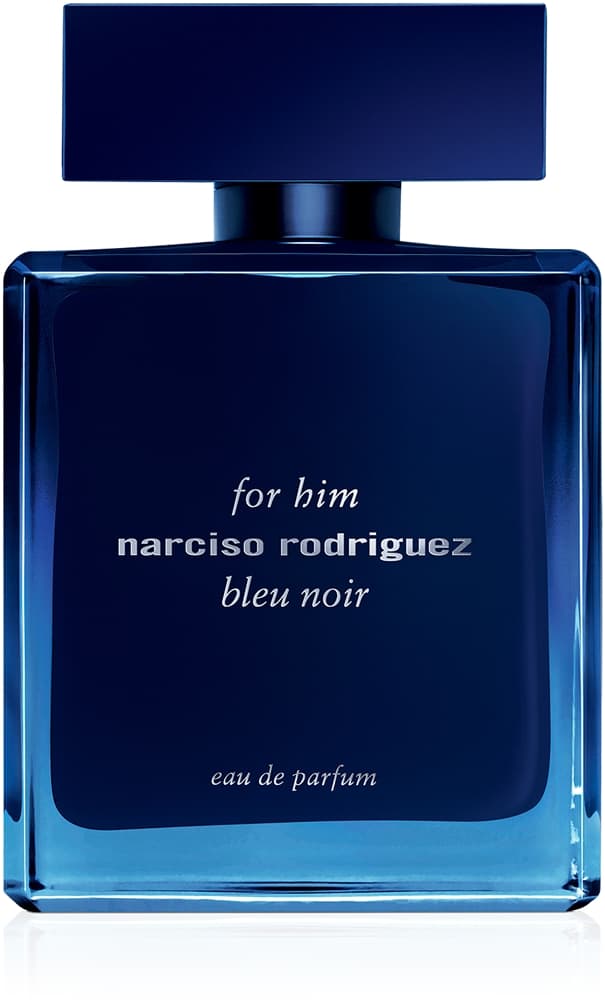 Narciso Rodriguez - for Him Bleu Noir100 ml
 Gres - Cabotine50 ml
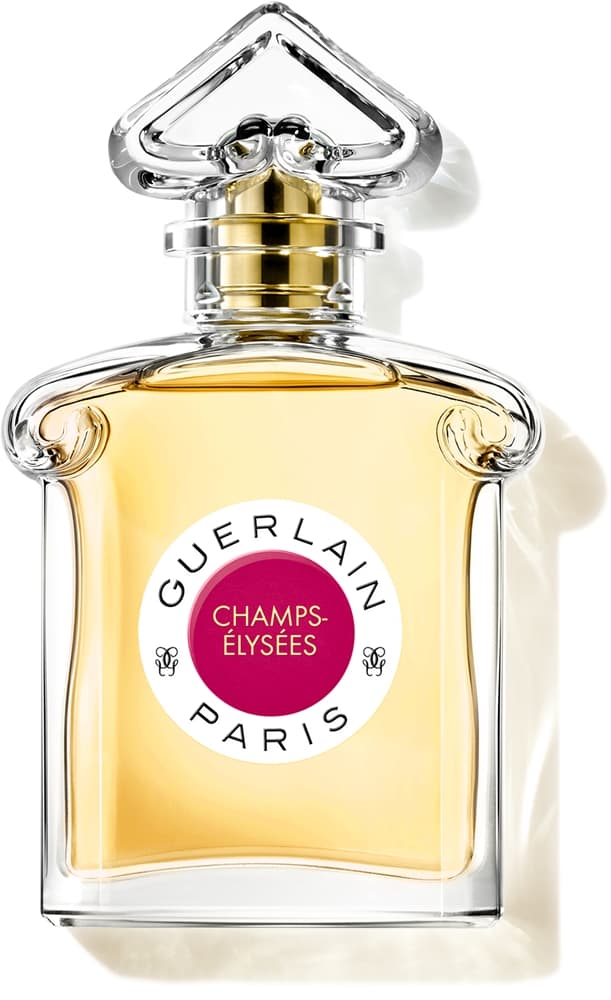 Guerlain - Champs Elysees75 ml
In 4 of 23 comparisons, EDP is cheaper than EDT in the same size. Prices change, so always compare on the product page.
Which one should I choose?
Eau de Parfum
An EDP usually lasts from morning to evening without topping up.
Often 10–20 % perfume oil.
The suggestion is our rule of thumb. Try it on your skin, and read the notes for the version you choose.